

We need to decide how we want to be treated, then treat others in that manner – John C. Maxwell
Vending Machine Mentality
Sometimes, when I put a dollar in a vending machine, it gets rejected and kicked back. After a few tries with the same result, I smooth out the wrinkles to straighten out my dollar and stick it back in. After more failed attempts, I reach into my pocket to find a newer dollar with fewer wrinkles, which gets accepted. However, whether new, wrinkled, or torn, the dollar is still a dollar. Its flaws don’t erase its value, but if I allow the vending machine to define this, I will probably throw the wrinkled dollar away, citing its flaws. Likewise, we can easily carry a vending machine mentality in our relationships, which robs us of the value of connecting deeply because we are more conditioned to see the wrinkles than the value.
Nobody is perfect, but everyone is valuable. We live in a world that conditions us to see others through the lens of mistakes, flaws, and faults. When a vending machine mentality dictates our outlook, there’s no space for forgiveness, acceptance, and appreciation of differences.
Finding Value in a Fault-Conditioned World
It’s easier to see faults before value. Value-based relationships require intentionality. You must be intentional about how you view others because view determines value. The ultimate goal of relationships should be bringing and adding value, no matter how small. When we lose touch with this purpose, especially with long-term relationships, we begin to magnify the flaws and forget to see the value. We allow the “wrinkles” we see in others to determine how we treat them. There are three ways we can treat others;
- Worse than they treat you: this tit-for-tat mentality never improves the relationship but erodes it. Notice that this path devolves because you always try to top what the other person did.
- The same way they treat you: this approach is fair-weathered, dictated by what others do, and is subject to change based on what people do. It is a variation of the first path, with the only difference being that sometimes people treat you the right way, and you reciprocate it. Most people view this path as the best, but there is a better path.
- Better than they treat you: this approach leads with intentionality and consistency. It reminds me of the golden rule from the Bible: do unto others as you would like them to do to you. Everyone wants to be treated with respect and viewed as significant. Decide how you want to be treated, then go and treat others the same way or better.
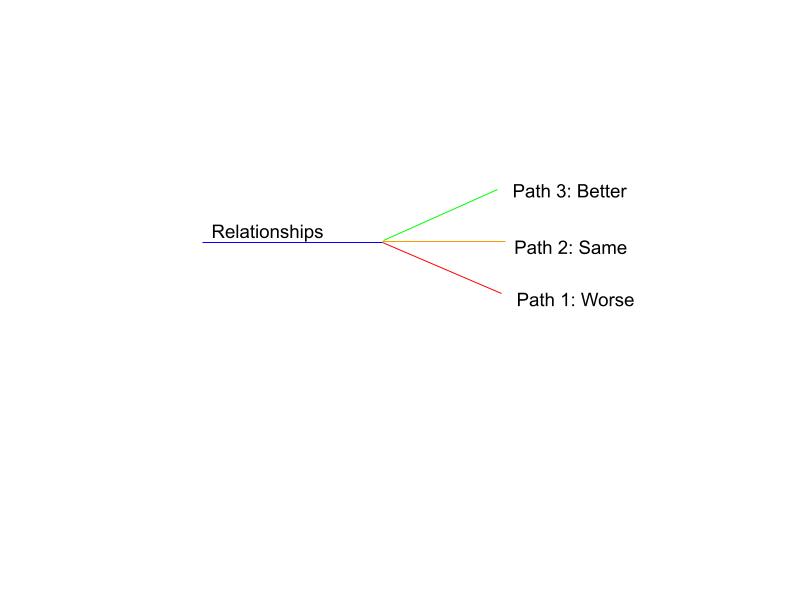
Diagram 1: showing the different paths we can take in our relationships
The third approach means you are looking for ways to add value to the relationship. You will find flaws and faults in others, especially as the relationship grows, because the closer you get to others, the clearer you see them. Eventually, someone will say or do the wrong thing, and in that moment, you have to decide if you will add value, even if it is by being honest about how you feel, or you will take the path of least resistance and treat them the same way or worse. Value-based relationships are not easy, but they are fulfilling. Choose the third path, stick with it when the “wrinkles” become visible, and watch your relational strength grow.
Final Thought: What path will you choose? The first two require little to no intentionality but will sour any relationship. The third path is challenging and requires us to carry a different perspective and go against the grain of the norm. It calls us to see others through value instead of flaws. We sweeten our relationships when we treat others better than they treat us. Better relationships are possible. Will you take the right path?
Keep on keeping on.

 Discover Your Treasure