
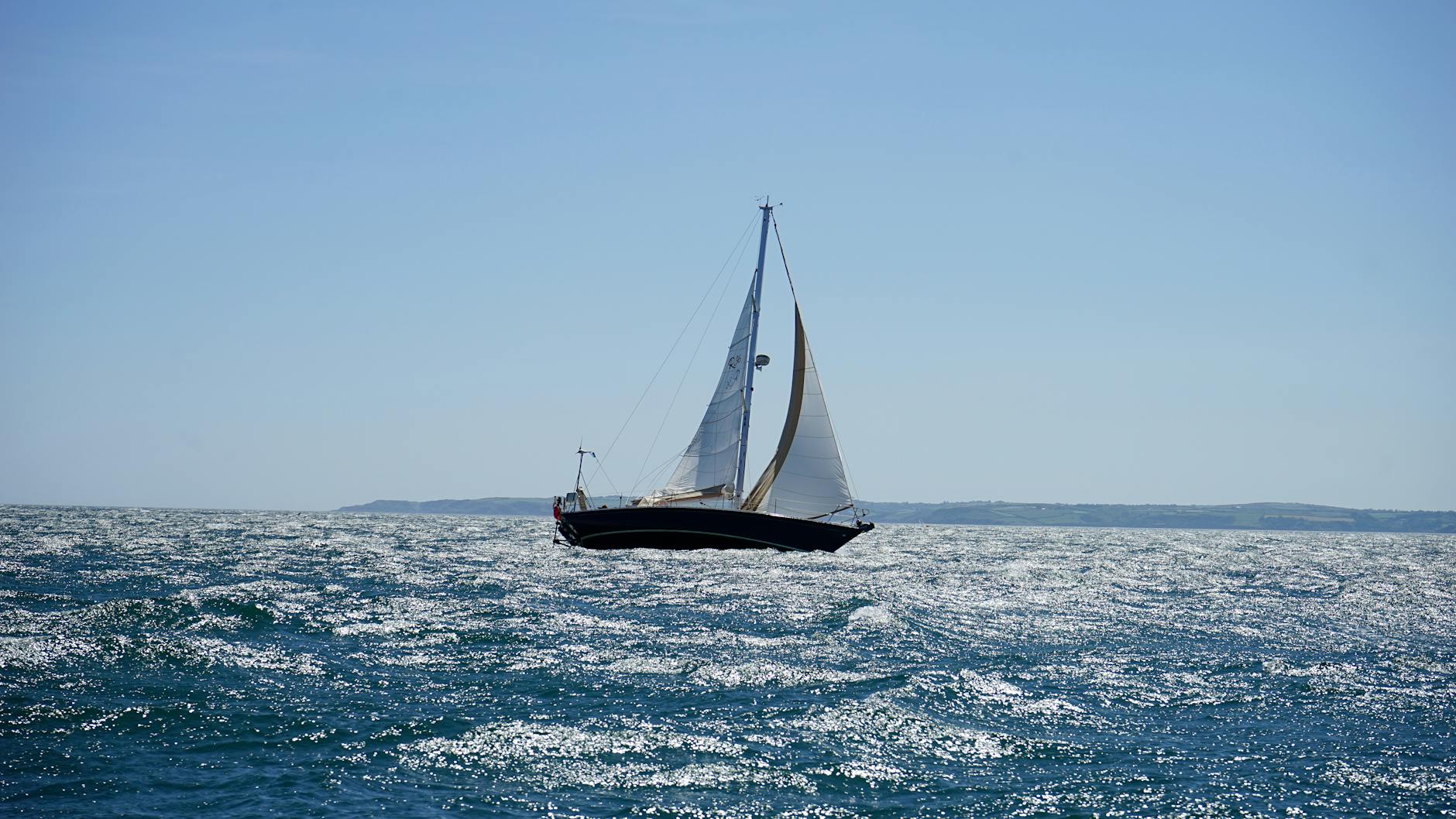
“The effect of sailing is produced by a judicious arrangement of the sails to the direction of the wind.” – William Falconer
Tacking
In sailing, a basic technique called changing the tack or coming about is applied when the wind changes direction. Tacking involves adjusting the sails slightly and often to improve maneuverability when the wind changes direction. Tacking keeps the boat moving to the intended destination.
Contrary winds are also known as headwinds. And they are common in life as well as at sea. Sometimes, we experience tailwinds. This occurs when the wind is behind our back, and things work in our favor. Headwinds refer to the opposition we experience as we continue our lives. This may come from various sources but aims to stall our progress. Headwinds in life can be so strong, tempting us to return to the shores of what was safe and comfortable. Whether emotional or economic, they can have a devastating effect on reaching our destination if we permit them. Headwinds can be used in our favor by learning to adjust our sails or developing a sense of mental and emotional agility. Jim Rohn said, “It’s not the blowing of the winds that determine our destination but the set of the sails.” If you see through the wind and make minor adjustments, you’ll discover that the winds will not deter you but will propel you to your destiny.
It’s not the blowing of the winds that determine our destination but the set of the sails.
Jim Rohn
See Through the Wind
Winds, though invisible, have a way of obstructing our view. They make us question what we believe or the truth we are grounded in. With increased intensity, headwinds can make us question our destiny and purpose, blurring what we once saw with crystal clarity. On the other hand, winds can help us deepen our resolve. How? First, stay tuned in to your purpose. Don’t be distracted by the severity of the wind. Don’t let the shift of wind cause myopia. Remind yourself of your destiny. Review your itinerary often. Winds are meant to destabilize and topple us, but the focus will keep you emotionally and mentally steady. Second, view the wind as a friend, not an enemy. Sometimes, what we fear has a way of making us better than we have ever been.
Lewis Howes had hope of success as a professional player in the NFL. But the winds shifted, and he ended up with a broken wrist. He was also financially broke. This was at the height of the 2008 recession. Down on his luck, he ended up living with his sister and sleeping on her couch. He still believed he could be successful. He adjusted his sails. He began doing webinars on LinkedIn, which took off. Eventually, he started writing books (he is a best-selling author). He is on the U.S. men’s handball team and has one of the highest-rated podcasts, “School of Greatness.” By seeing through the winds, he pivoted and stayed afloat.
Final thought: Common sense may say, “Fight the wind.” Fear may shout, “Succumb and go back to shore!” But insight whispers, “Adjust your sails to the wind and use it to catapult you forward.” As William Ward said, “The pessimists complain about the wind, the optimists hope it will change, but the realists adjust their sails.” You cannot control the wind but tack or adjust your sails with micro moves.
Keep on Keeping on!

 Discover Your Treasure